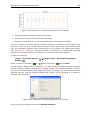
1
CHAPTER 24. RNA STRUCTURE
24.4
518
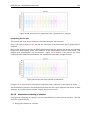
Structure Scanning Plot
In CLC Main Workbench it is possible to scan larger sequences for the existence of local
conserved RNA structures. The structure scanning approach is similar in spirit to the works
of [Workman and Krogh, 1999] and [Clote et al., 2005]. The idea is that if natural selection is
operating to maintain a stable local structure in a given region, then the minimum free energy of
the region will be markedly lower than the minimum free energy found when the nucleotides of
the subsequence are distributed in random order.
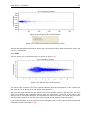
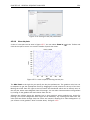
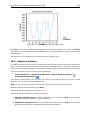
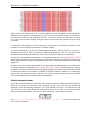
The algorithm works by sliding a window along the sequence. Within the window, the minimum
free energy of the subsequence is calculated. To evaluate the significance of the local structure
signal its minimum free energy is compared to a background distribution of minimum free
energies obtained from shuffled sequences, using Z-scores [Rivas and Eddy, 2000]. The Z-score
statistics corresponds to the number of standard deviations by which the minimum free energy
of the original sequence deviates from the average energy of the shuffled sequences. For a given
Z-score, the statistical significance is evaluated as the probability of observing a more extreme
Z-score under the assumption that Z-scores are normally distributed [Rivas and Eddy, 2000].
24.4.1
Selecting sequences for scanning
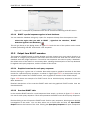
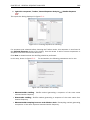
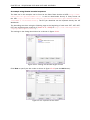
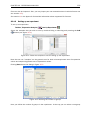
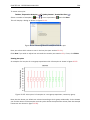
The scanning is started from the Toolbox:
Toolbox | RNA Structure (
)| Evaluate Structure Hypothesis (
)
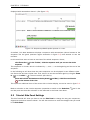
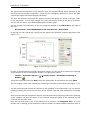
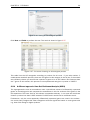
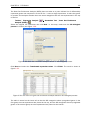
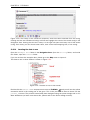
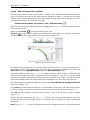
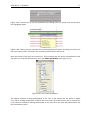
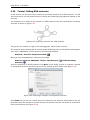
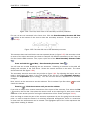
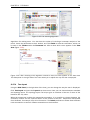
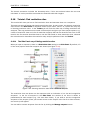
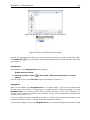
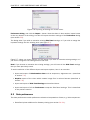
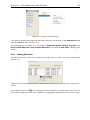
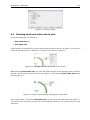
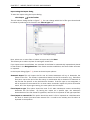
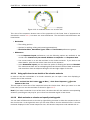
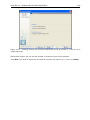
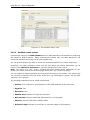
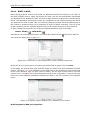
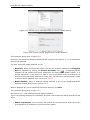
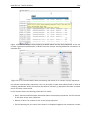
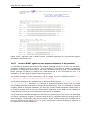
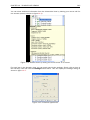
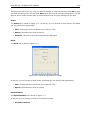
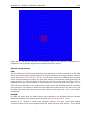
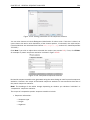
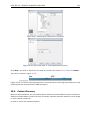
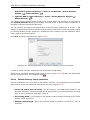
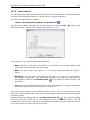
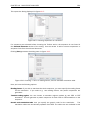
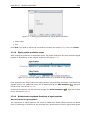
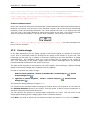
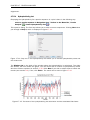
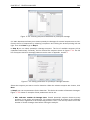
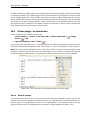
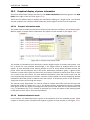
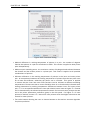
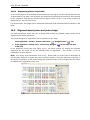
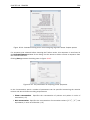
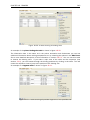
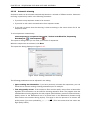
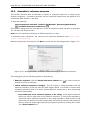
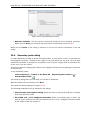
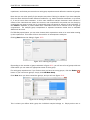
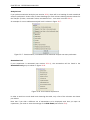
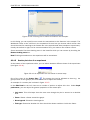
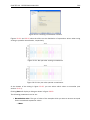
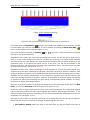
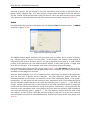
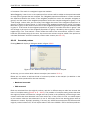
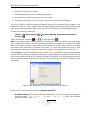
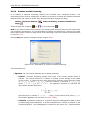
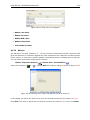
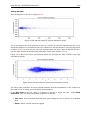
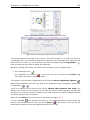
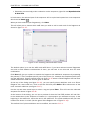
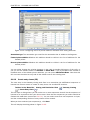
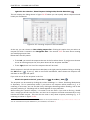
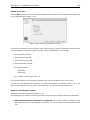
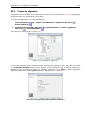
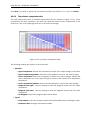
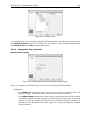
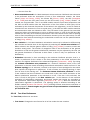
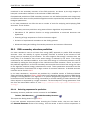
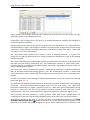
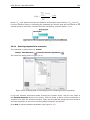
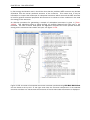
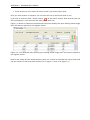
This opens the dialog shown in figure 24.25.
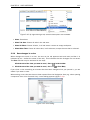
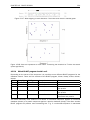
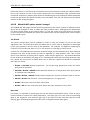
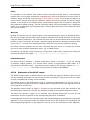
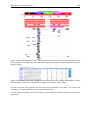
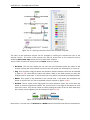
Figure 24.25: Selecting RNA or DNA sequences for structure scanning.
If you have selected sequences before choosing the Toolbox action, they are now listed in
the Selected Elements window of the dialog. Use the arrows to add or remove sequences or
sequence lists from the selected elements.
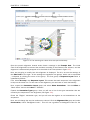
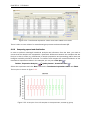
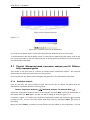
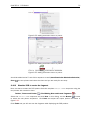
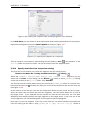
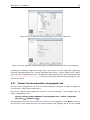
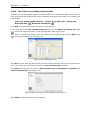
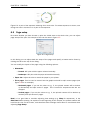
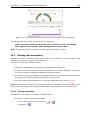
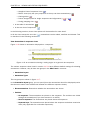
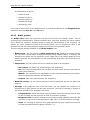
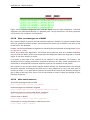
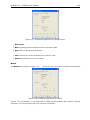
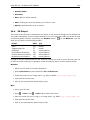
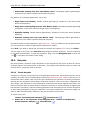
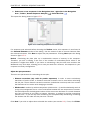
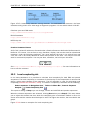
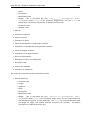
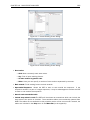
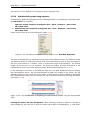
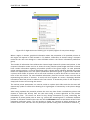
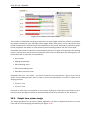
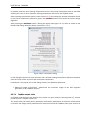
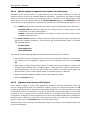
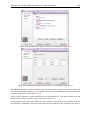
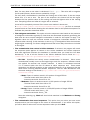
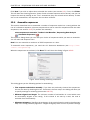
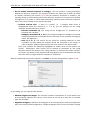
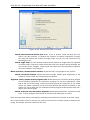
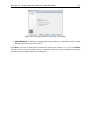
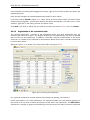
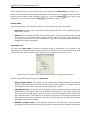
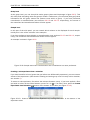
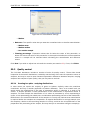
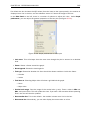
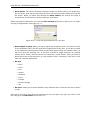
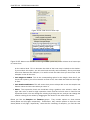
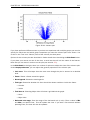
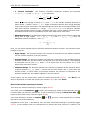
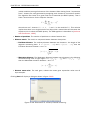
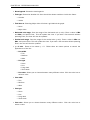
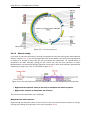
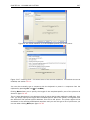
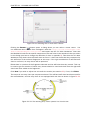
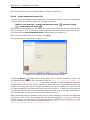
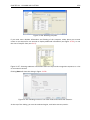
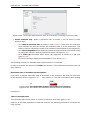
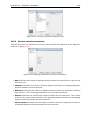
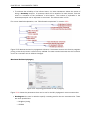
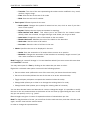
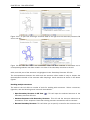
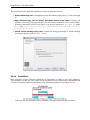
Click Next to adjust scanning parameters (see figure 24.26).
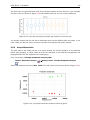
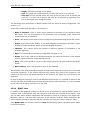
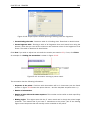
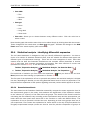
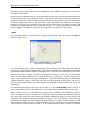
The first group of parameters pertain to the methods of sequence resampling. There are four
ways of resampling, all described in detail in [Clote et al., 2005]:
• Mononucleotide shuffling. Shuffle method generating a sequence of the exact same
mononucleotide frequency