Download Audio Reference Manual
Transcript
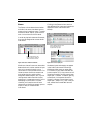
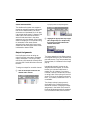
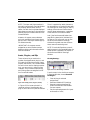
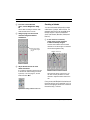
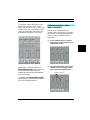
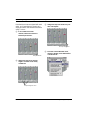
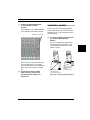
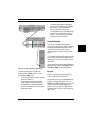
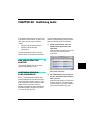
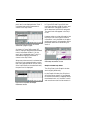
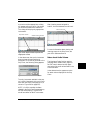
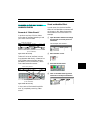
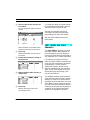
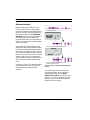
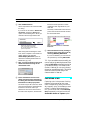
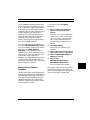
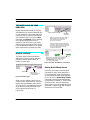
CHAPTER 10: Acadia: Bussing, Routing, & Bouncing to Disk Based on what you learned earlier, you know that when Input 1 is record-enabled and the Thru mode is set to either On or Auto, then: • • The monitored signal from Input 1 is sent to Output 5-6. The monitored signal from Input 1 is also sent to Bus 1 where reverb is added. Bus 1’s volume fader controls the amount of reverb that’s mixed with the signal. Here’s where things get interesting. Notice that console channel 3 sends the signal present at Input 1 to Output 8. This means that the signal present at Input 1 always appears at Output 8, even when... • • • • ...Input 1 is not record-enabled. ...the Thru selector pop-up menu is set to Off. ...you change the Audio Instrument assigned to Input 1 in the Record Monitor Window. ...Vision is playing, recording, or simply idle. Also, if you use any Audio Sends or plugins, they too operate on the input signal. This gives you a way to create a “virtual mixing board” within Vision. As discussed in Output Assignments (pg. 42), you can assign outputs to audio channels from either the Audio Instruments & Routings Window or a Console Window. NOTE: Some ASIO drivers may exhibit a noticeable latency in thruing audio. In these cases, if at all possible, disable Thru and monitor record sources externally. RECORDING FROM AUDIO INSTRUMENTS, BUSSES, AND OUTPUTS You can choose practically any place in the audio signal path as a recording source. This allows you to record digitally and “bounce to disk” without having to patch a single cable. With the Acadia audio system, Vision allows recording from hardware inputs and outputs, Audio Instruments, and busses. For instance, you can: • • • Record a master mix of all your tracks with effects and EQ. To do this, route all channels to a single stereo bus and record from it. Bounce groups of tracks, with or without effects, to a bus for recording a submix. “Print the effects” from a track. Record from the output of an Audio Instrument to record its audio events along with any assigned plug-ins and EQ. Before reading this section you should be familiar with all recording techniques as discussed in Chapter 5: Acadia: Recording Audio, and all the bussing concepts described previously in this chapter. In general to record from any place in the signal path: 햲 Configure your console with plug-ins, sends, EQs, and busses. 햳 In the Record Monitor Window, specify the record source from Vision & Studio Vision Pro — Audio Reference Manual 79