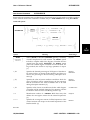
1
User’s Reference Manual
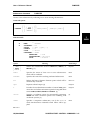
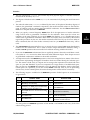
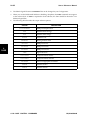
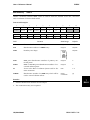
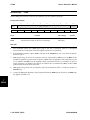
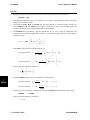
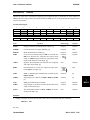
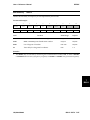
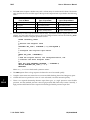
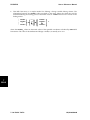
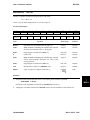
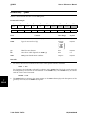
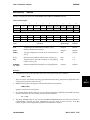
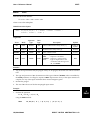
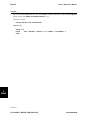
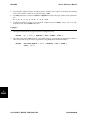
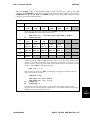
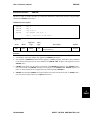
A double precision number must contain both a decimal point and an exponent with the character
D such as:
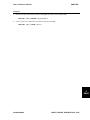
3.5D1 or 2.7D+1 or 70.D-1
Double precision data values are only allowed in a few special cases, i.e. when using DMI and DMIG
Bulk Data entries.
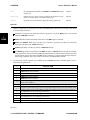
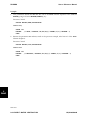
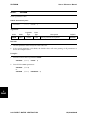
Character data values consist of one to eight alphanumeric characters, the first of which must be
alphabetic.
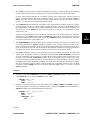
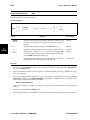
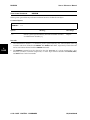
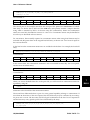
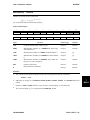
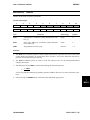
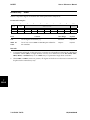
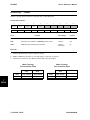
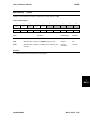
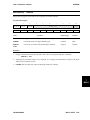
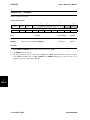
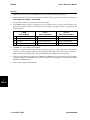
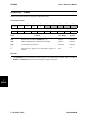
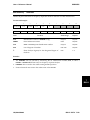
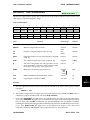
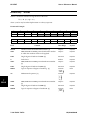
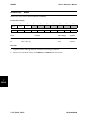
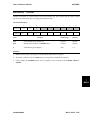
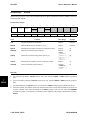
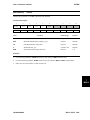
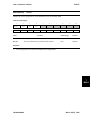
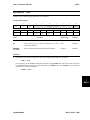
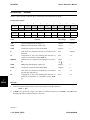
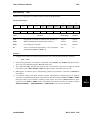
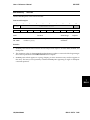
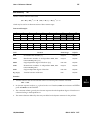
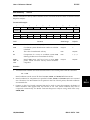
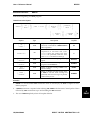
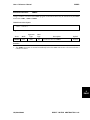
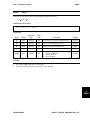
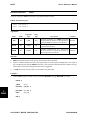
Normally field 10 is used to signify that a continuation entry will follow the current parent entry. If
the current entry can not have a continuation, field 10 may be used for optional user identification
data. The continuation entry contains the symbol
+
in column 1 followed by the same seven characters that appeared in positions 74-80 of field 10 of
the parent entry. This allows the Bulk Data packet to be input with entries out of alphanumeric sort.
Also, the continuation entries need not follow the parent when continuation mnemonics are used.
Although the + sign is not specifically required in column 73 of the parent when the fixed-field
format is used, its use is good practice. The + character is required when using the free-field input
form as presented earlier in Section 7.1.1.
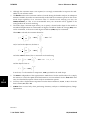
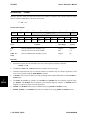
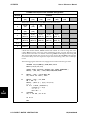
The fixed-field data entry should be more than adequate for data normally associated with structural engineering problems. Since abbreviated forms of floating point numbers are allowed, up to
seven significant decimal digits may be used in an eight-character field. Occasionally, however, the
input is generated by another computer program or is available in a form where greater precision is
desired. In this case, a high-precision format with a sixteen (16) character data field is provided, as
described next.
7.1.3
High-Precision Data Entry
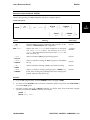
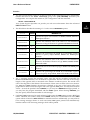
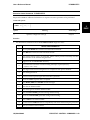
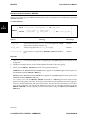
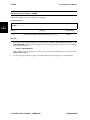
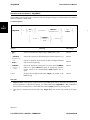
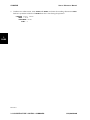
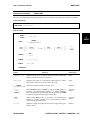
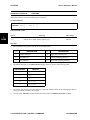
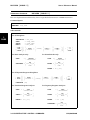
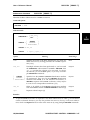
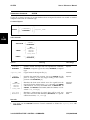
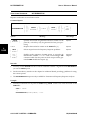
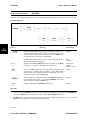
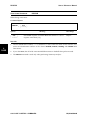
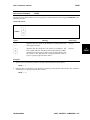
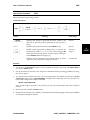
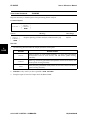
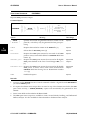
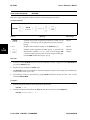
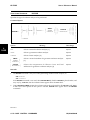
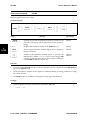
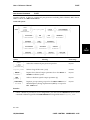
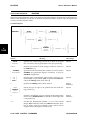
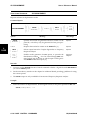
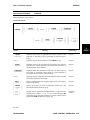
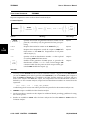
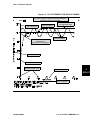
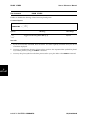
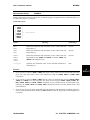
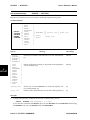
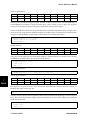
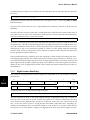
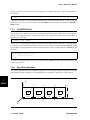
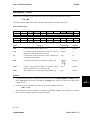
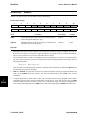
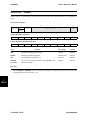
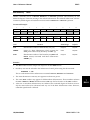
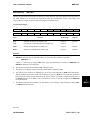
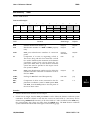
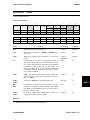
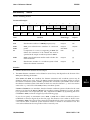
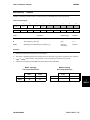
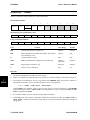
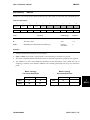
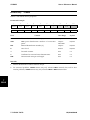
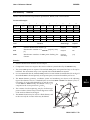
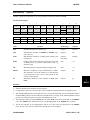
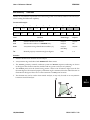
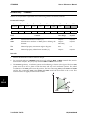
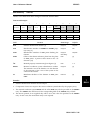
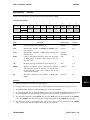
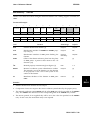
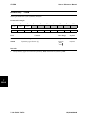
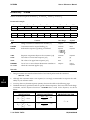
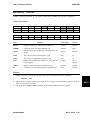
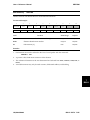
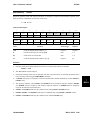
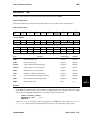
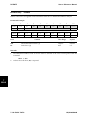
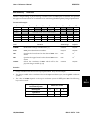
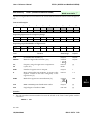
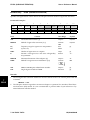
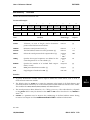
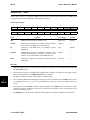
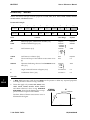
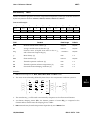
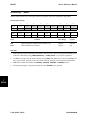
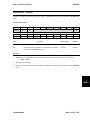
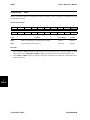
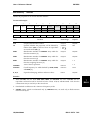
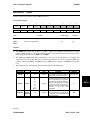
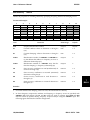
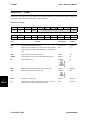
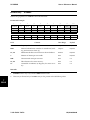
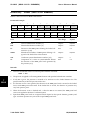
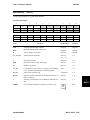
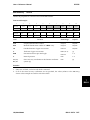
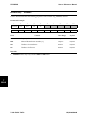
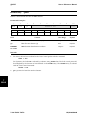
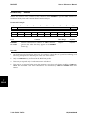
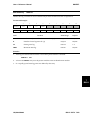
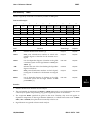
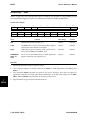
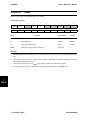
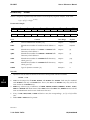
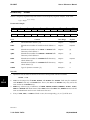
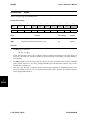
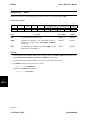
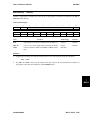
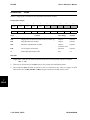
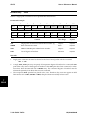
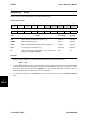
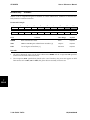
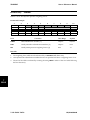
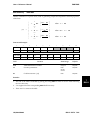
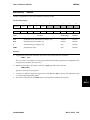
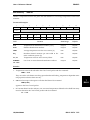
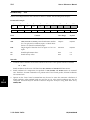
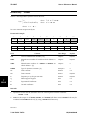
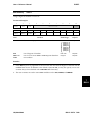
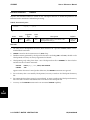
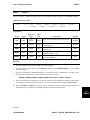
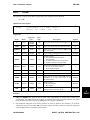
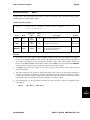
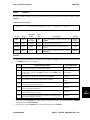
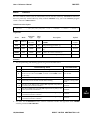
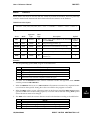
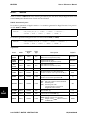
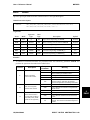
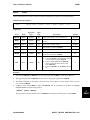
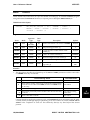
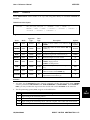
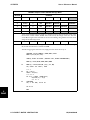
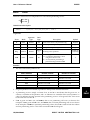
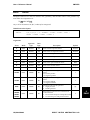
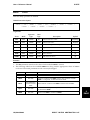
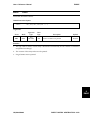
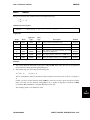
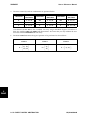
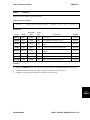
Each entry for the high precision format requires the equivalent of two 80 character records as
shown below:
7
BULK
1a
1
8
2
9
1b
1
8
3
24 25
6
9
4
40 41
7
24 25
5
56 57
8
40 41
72 73 80
9
56 57
10a
10b
72 73 80
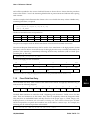
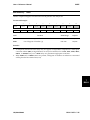
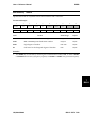
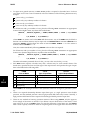
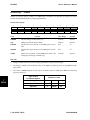
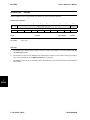
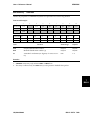
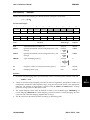
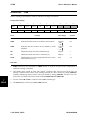
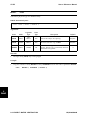
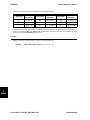
A high-precision entry is denoted by placing the symbol
*
after the mnemonic in field 1a and some unique character configuration in the last 7 columns of
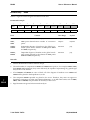
field 10a. The second physical record contains the symbol * in column 1 followed by the same
seven characters that appeared after column 73 in field 10a of the first entry. The second record
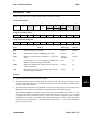
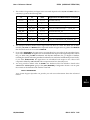
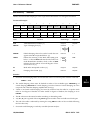
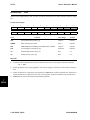
may, in turn, be used to point to a high-precision fixed-field continuation entry, depending on
whether the continuation entry contains the symbol * or the symbol + in column 1. Note that the
two physical records which define a single logical high-precision entry must always appear consecu-
7-6 BULK DATA
UAI/NASTRAN