1
Target initialization commands
This section explains:
• .cfg target initialization commands
• .tcl target initialization commands
9.2.1 .cfg target initialization commands
This section describes for each .cfg target initialization command a brief statement of
what the command does, the command's syntax, a definition of each argument that can be
passed to the command, and examples showing how to use the command.
Some commands described in this section allow access to memory-mapped register by
name as well as address. Based on the processor selection in the debugger settings, these
commands will accept the register names shown in the debugger's Registers view. There
are also commands to access built-in registers of a processor core, for example, writereg.
The names of these registers follow the architectural description for the respective
processor core for general purpose and special purpose registers. Note that these names
(for example, GPR5) might be different from names used in assembly language (for
example, r5). You can identify the register names by looking at the debugger's Registers
view.
NOTE
The current release does not include .cfg initialization files but
provides backward compatibility to these files.
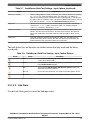
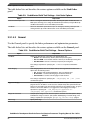
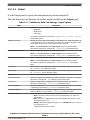
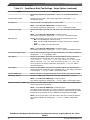
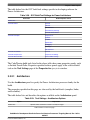
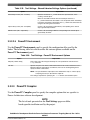
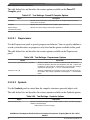
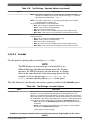
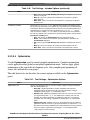
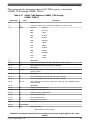
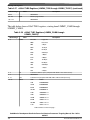
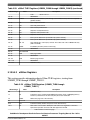
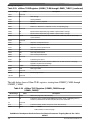
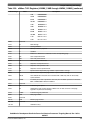
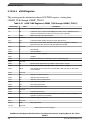
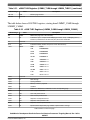
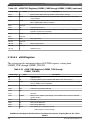
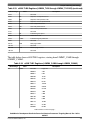
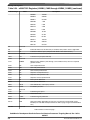
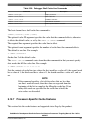
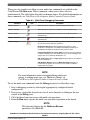
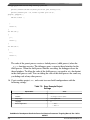
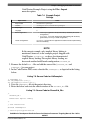
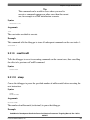
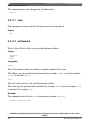
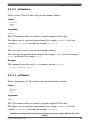
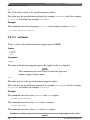
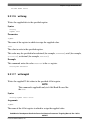
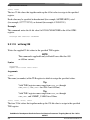
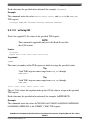
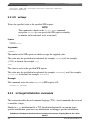
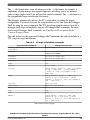
The table below lists each command that can appear in a .cfg target initialization file.
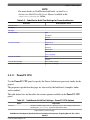
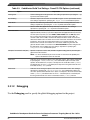
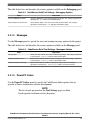
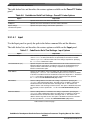
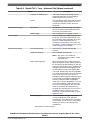
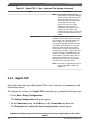
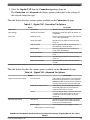
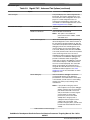
Table 9-1. .cfg target initialization commands
alternatePC
reset
stop
writemem.b
ANDmmr
resetCoreID
writemem.l
writemem.w
ANDmem.l
run
writemmr
writereg
IncorMMR
setCoreID
writereg64
writereg128
ORmem.l
sleep
writereg192
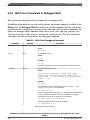
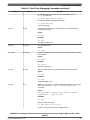
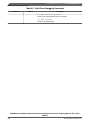
9.2.1.1 alternatePC
Sets the initial program counter (PC) register to the specified value, disregarding any
entry point value read from the ELF application being debugged.
CodeWarrior Development Studio for Power Architecture Processors Targeting Manual, Rev. 10.5.0,
06/2015
382
Freescale Semiconductor, Inc.