1
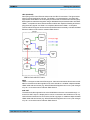
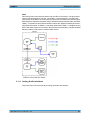
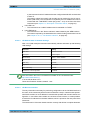
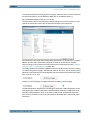
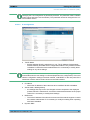
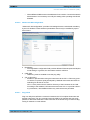
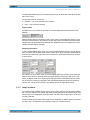
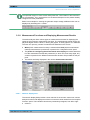
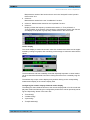
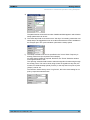
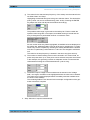
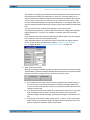
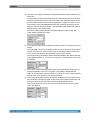
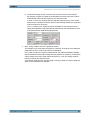
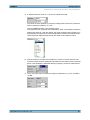
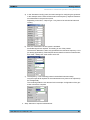
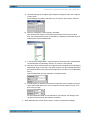
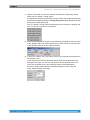
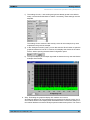
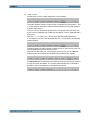
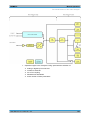
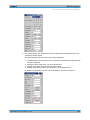
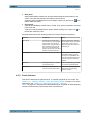
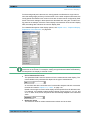
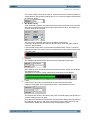
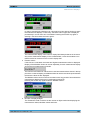
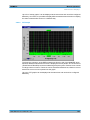
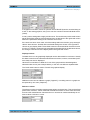
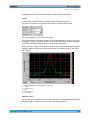
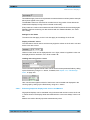
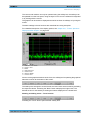
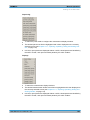
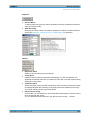
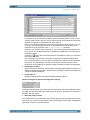
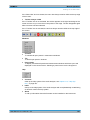
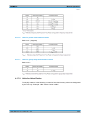
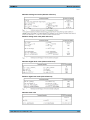
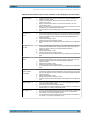
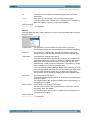
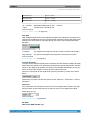
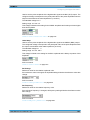
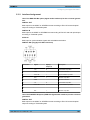
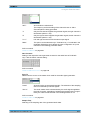
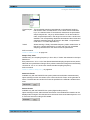
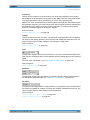
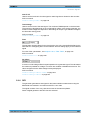
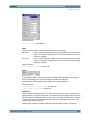
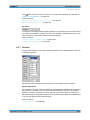
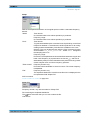
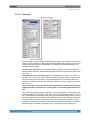
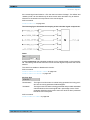
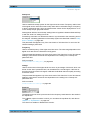
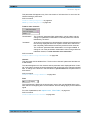
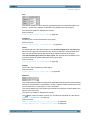
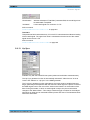
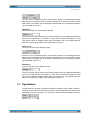
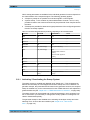
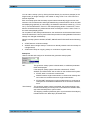
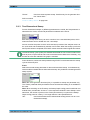
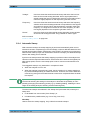
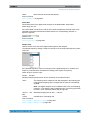
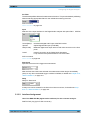
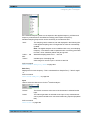
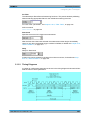
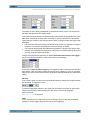
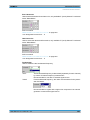
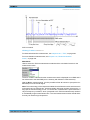
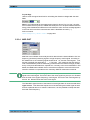
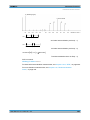
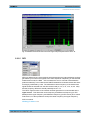
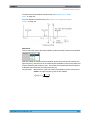
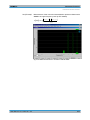
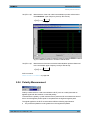
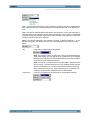
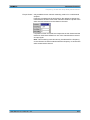
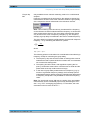
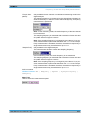
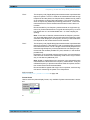
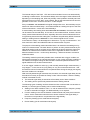
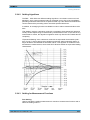
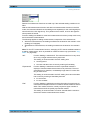
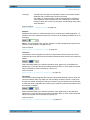
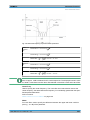
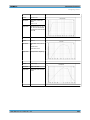
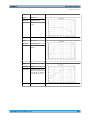
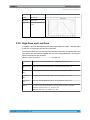
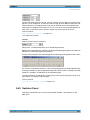
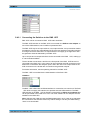
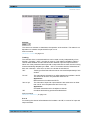
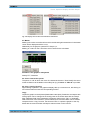
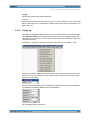
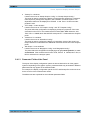
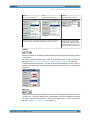
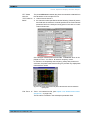
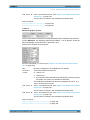
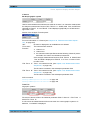
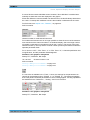
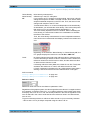
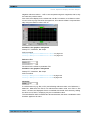
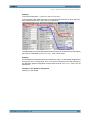
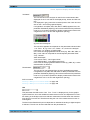
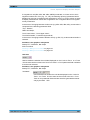
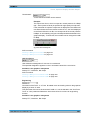
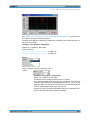
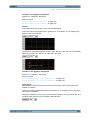
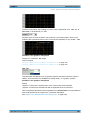
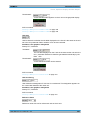
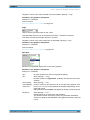
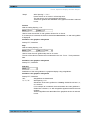
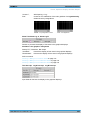
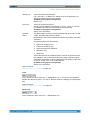
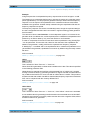
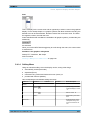
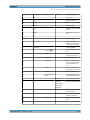
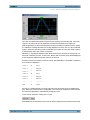
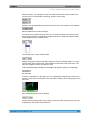
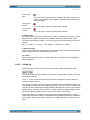
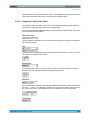
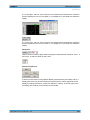
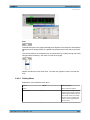
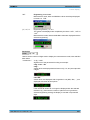
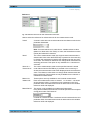
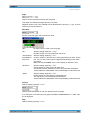
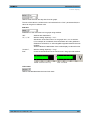
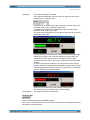
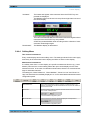
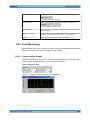
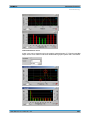
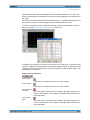
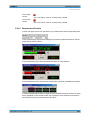
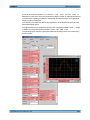
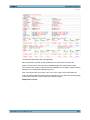
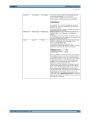
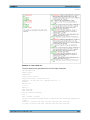
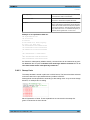
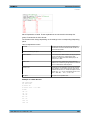
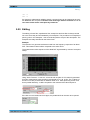
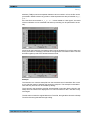
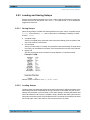
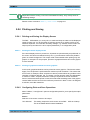
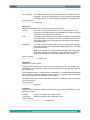
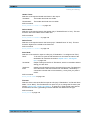
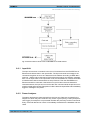
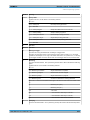
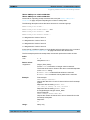
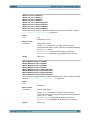
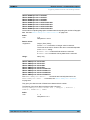
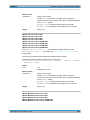
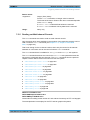
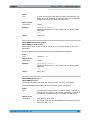
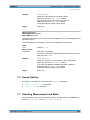
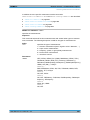
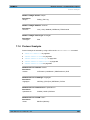
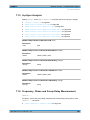
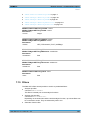
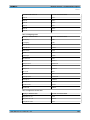
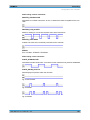
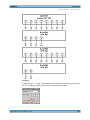
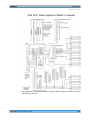
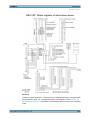
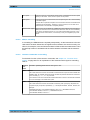
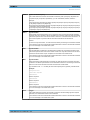
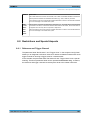
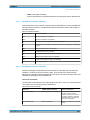
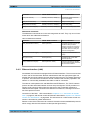
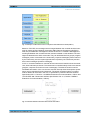
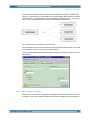
R&S®UPP Instrument Function Settling Methods Samples Designates the number of measured values to be covered by the settling algorithm, i.e. it defines how many frequency or level measured values are to be used for settling. For "n samples" selected, the following number of trigger-value measurements is performed: ● With frequency triggering and flat settling: n or n+1 ● With level triggering and exponential settling: > n Note: In this exceptional case, the term "sample" is used to designate an internal measurement result instead of a digital sample. SCPI command: SENSe:TRIGger:SETTling:COUNt on page 701 Tolerance The tolerance value designates the maximum permissible value by which the current trigger value may differ from the preceding trigger values so that it is accepted as settled. With exponential settling, the selected tolerance value applies only to the difference between the current and the last preceding trigger value; for each earlier trigger value, the tolerance value increases by a factor of 2. SCPI command: SENSe:TRIGger:SETTling:TOLerance on page 701 Resolution The "Resolution " value designates the maximum permissible absolute value by which the current trigger value may differ from the preceding trigger values in order to be accepted as settled, although the tolerance condition may be violated. This means that a trigger value is regarded as not settled only if it fails to meet both the tolerance and the resolution condition. Fig. 5-12: (for external frequency sweeps) Fig. 5-13: (for external digital level sweeps) Fig. 5-14: (for external analog level sweeps) With exponential settling, the selected resolution value applies only to the difference between the current and the last preceding trigger value; for each earlier measured value, the resolution value increases by a factor of 2. SCPI command: SENSe:TRIGger:SETTling:RESolution on page 701 User Manual 1411.1055.32 ─ 03 424