1
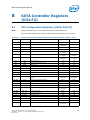
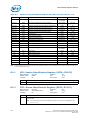
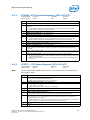
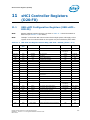
Chipset Configuration Registers
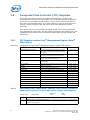
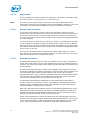
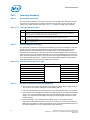
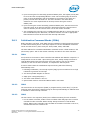
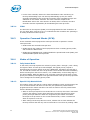
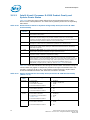
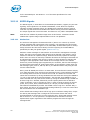
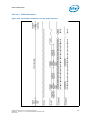
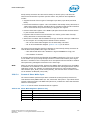
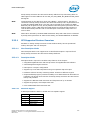
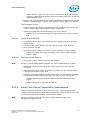
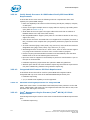
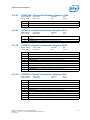
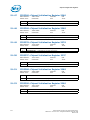
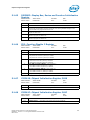
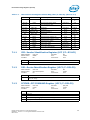
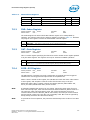
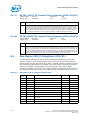
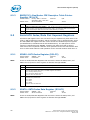
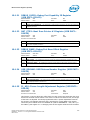
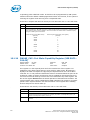
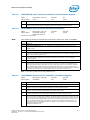
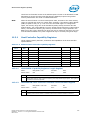
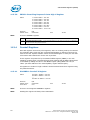
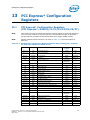
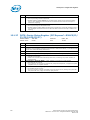
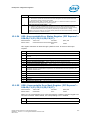
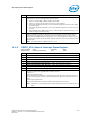
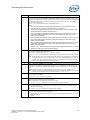
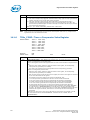
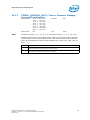
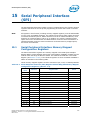
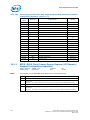
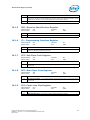
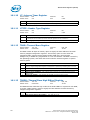
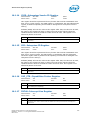
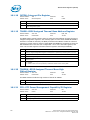
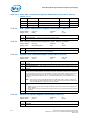
The existing root port Function Disable registers operate on physical ports (not
functions).
Port Configuration (1x4, 4x1, and so on) is not affected by the logical function number
assignment and is associated with physical ports.
Note:
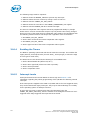
The difference between hiding vs disabling a port is that a hidden port is not able to
claim downstream Config cycles only. Memory and I/O cycles are still claimed by that
hidden port. A disabled port is turned off and not able to claim downstream
Configuration, Memory and I/O cycles – it saves power.Function disable is covered in
Chapter 5, “FD—Function Disable Register”.
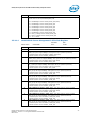
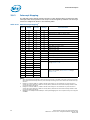
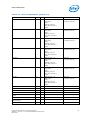
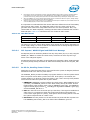
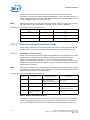
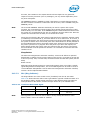
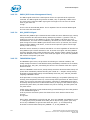
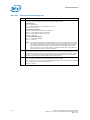
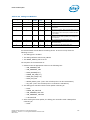
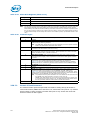
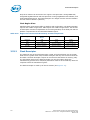
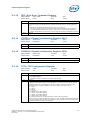
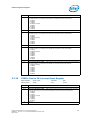
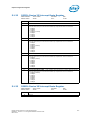
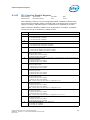
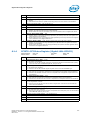
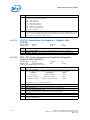
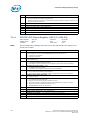
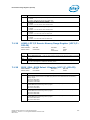
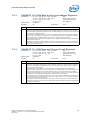
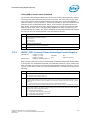
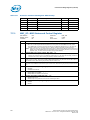
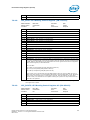
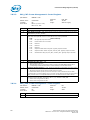
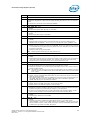
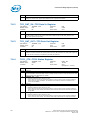
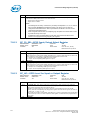
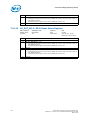
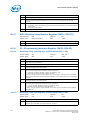
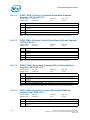
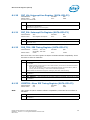
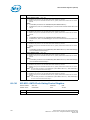
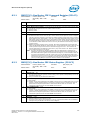
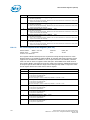
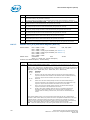
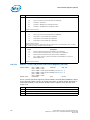
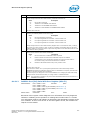
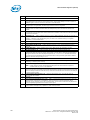
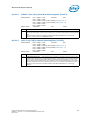
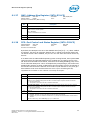
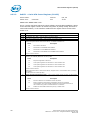
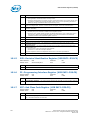
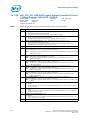
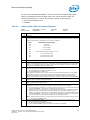
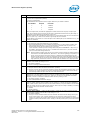
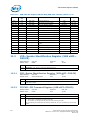
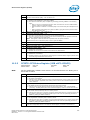
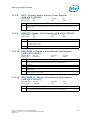
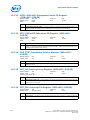
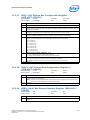
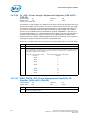
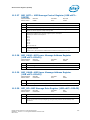
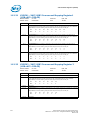
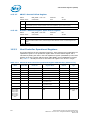
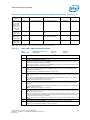
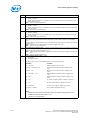
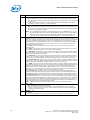
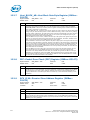
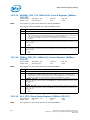
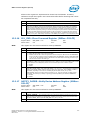
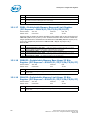
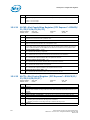
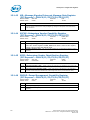
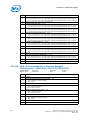
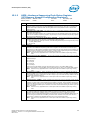
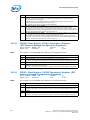
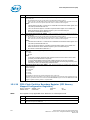
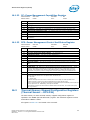
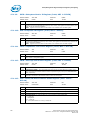
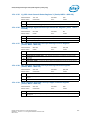
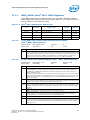
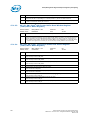
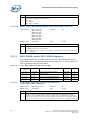
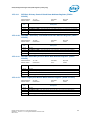
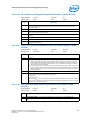
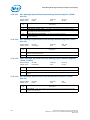
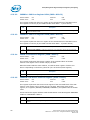
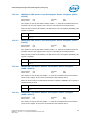
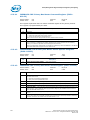
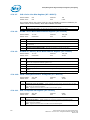
Bit
Description
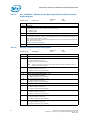
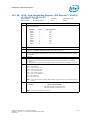
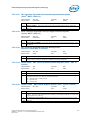
31
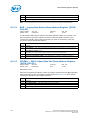
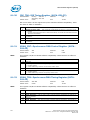
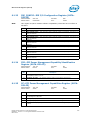
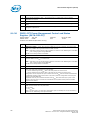
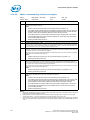
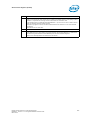
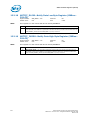
Root Port 8 Config Hide (RP8CH) — R/W. This bit is used to hide the root port and any devices
behind it from being discovered by the OS. When set to 1, the root port will not claim any
downstream configuration transactions.
30:28
Root Port 8 Function Number (RP8FN) — R/WO. These bits set the function number for PCI
Express* Root Port 8. This root port function number must be a unique value from the other root
port function numbers
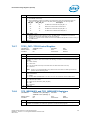
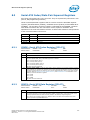
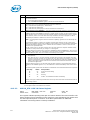
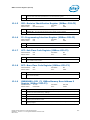
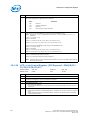
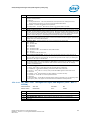
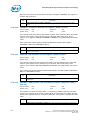
27
Root Port 7 Config Hide (RP7CH) — R/W. This bit is used to hide the root port and any devices
behind it from being discovered by the OS. When set to 1, the root port will not claim any
downstream configuration transactions.
26:24
Root Port 7 Function Number (RP7FN) — R/WO. These bits set the function number for PCI
Express Root Port 7. This root port function number must be a unique value from the other root
port function numbers
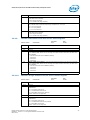
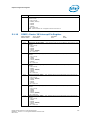
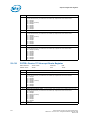
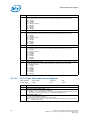
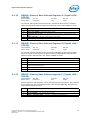
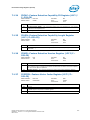
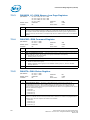
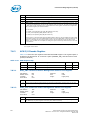
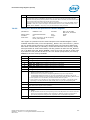
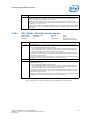
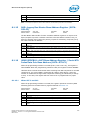
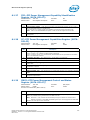
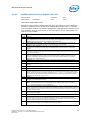
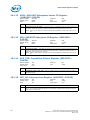
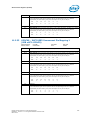
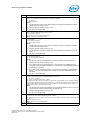
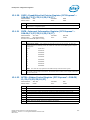
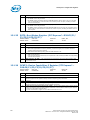
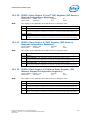
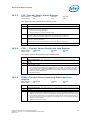
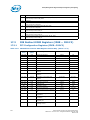
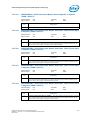
23
Root Port 6 Config Hide (RP6CH) — R/W. This bit is used to hide the root port and any devices
behind it from being discovered by the OS. When set to 1, the root port will not claim any
downstream configuration transactions.
22:20
Root Port 6 Function Number (RP6FN) — R/WO. These bits set the function number for PCI
Express Root Port 6. This root port function number must be a unique value from the other root
port function numbers
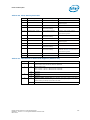
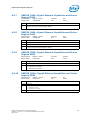
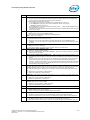
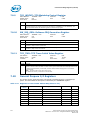
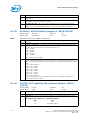
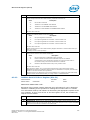
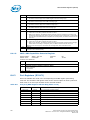
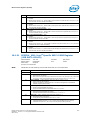
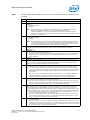
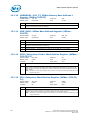
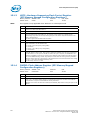
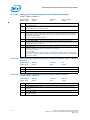
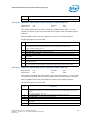
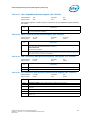
19
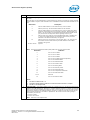
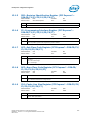
Root Port 5 Config Hide (RP5CH) — R/W. This bit is used to hide the root port and any devices
behind it from being discovered by the OS. When set to 1, the root port will not claim any
downstream configuration transactions.
18:16
Root Port 5 Function Number (RP5FN) — R/WO. These bits set the function number for PCI
Express Root Port 5. This root port function number must be a unique value from the other root
port function numbers
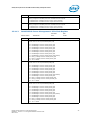
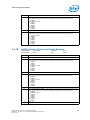
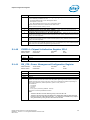
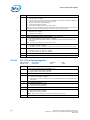
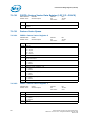
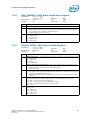
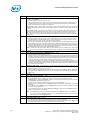
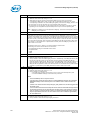
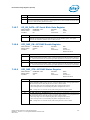
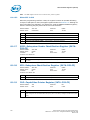
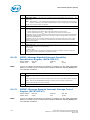
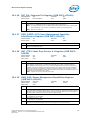
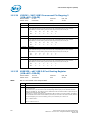
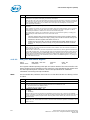
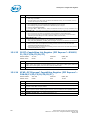
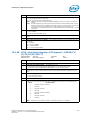
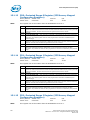
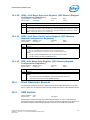
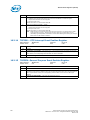
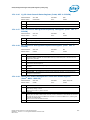
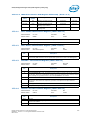
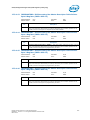
15
Root Port 4 Config Hide (RP4CH) — R/W. This bit is used to hide the root port and any devices
behind it from being discovered by the OS. When set to 1, the root port will not claim any
downstream configuration transactions.
14:12
Root Port 4 Function Number (RP4FN) — R/WO. These bits set the function number for PCI
Express Root Port 4. This root port function number must be a unique value from the other root
port function numbers
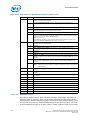
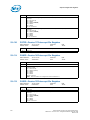
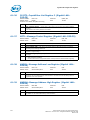
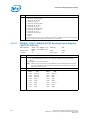
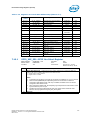
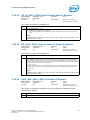
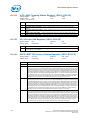
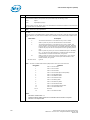
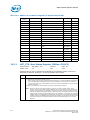
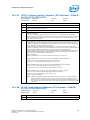
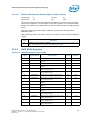
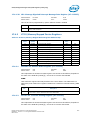
11
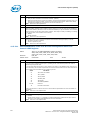
Root Port 3 Config Hide (RP3CH) — R/W. This bit is used to hide the root port and any devices
behind it from being discovered by the OS. When set to 1, the root port will not claim any
downstream configuration transactions.
10:8
Root Port 3 Function Number (RP3FN) — R/WO. These bits set the function number for PCI
Express Root Port 3. This root port function number must be a unique value from the other root
port function numbers
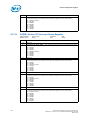
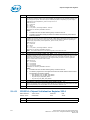
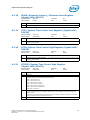
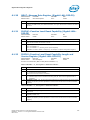
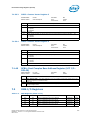
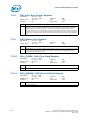
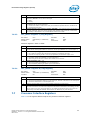
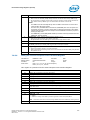
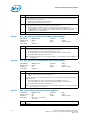
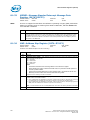
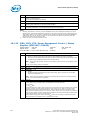
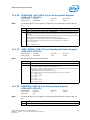
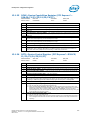
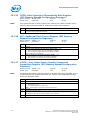
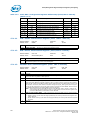
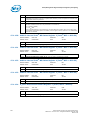
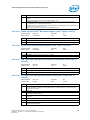
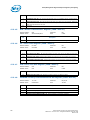
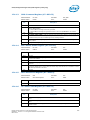
7
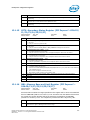
Root Port 2 Config Hide (RP2CH) — R/W. This bit is used to hide the root port and any devices
behind it from being discovered by the OS. When set to 1, the root port will not claim any
downstream configuration transactions.
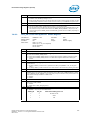
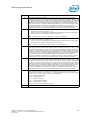
6:4
Root Port 2 Function Number (RP2FN) — R/WO. These bits set the function number for PCI
Express* Root Port 2. This root port function number must be a unique value from the other root
port function numbers
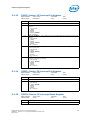
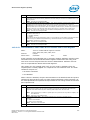
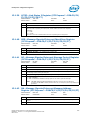
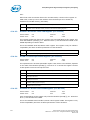
3
Root Port 1 Config Hide (RP1CH) — R/W. This bit is used to hide the root port and any devices
behind it from being discovered by the OS. When set to 1, the root port will not claim any
downstream configuration transactions.
2:0
Root Port 1 Function Number (RP1FN) — R/WO. These bits set the function number for PCI
Express Root Port 1. This root port function number must be a unique value from the other root
port function numbers
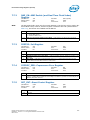
Intel® Xeon® Processor D-1500 Product Family
Datasheet - Volume 1 of 4: Integrated Platform Controller Hub
March 2015
193